Lower Total Installed Cost
All-aluminium construction reduces reliance on copper, while lower equipment weight can reduce freight, lifting, and support-structure costs.
Cost-efficient heat rejection
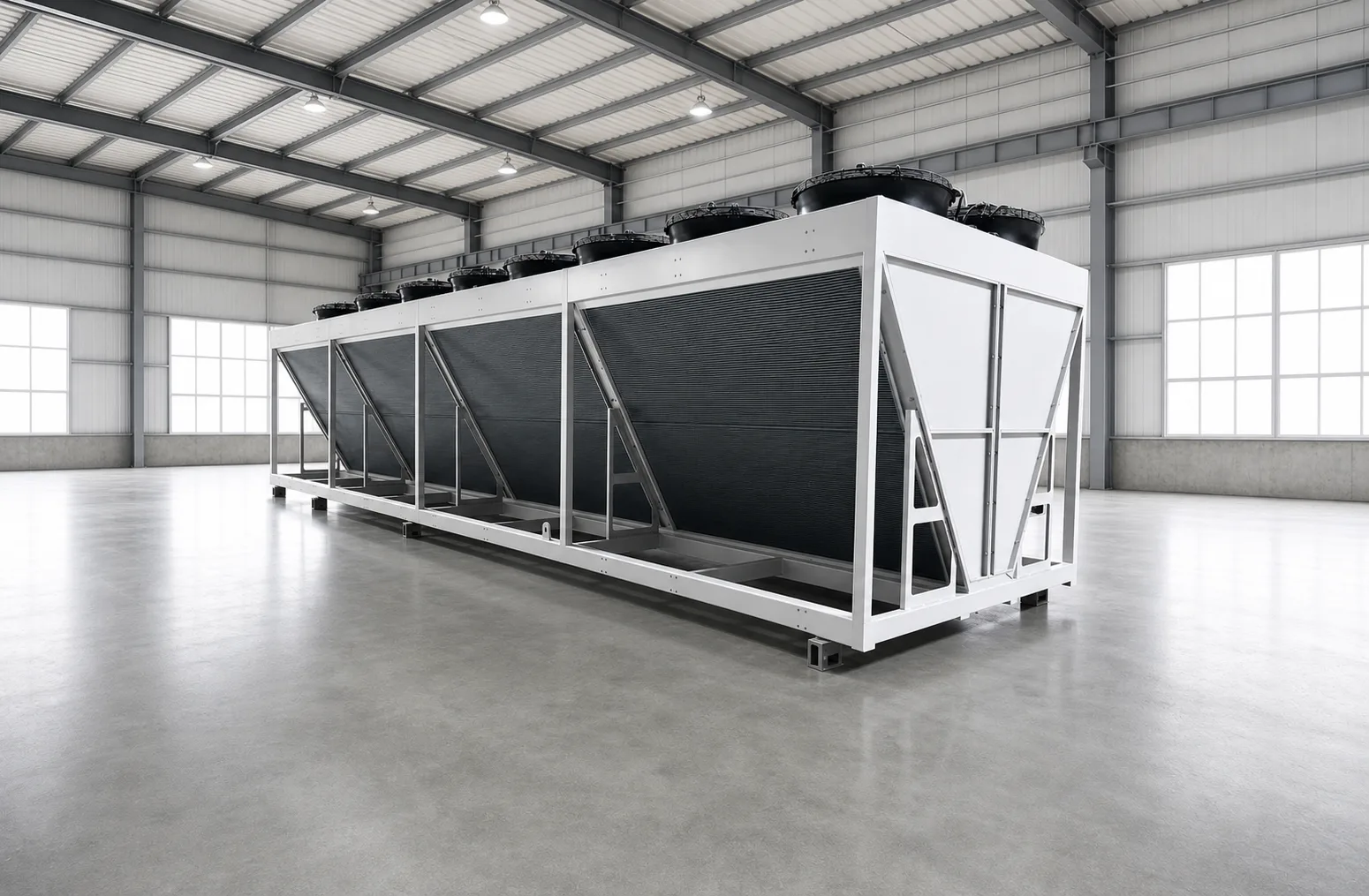
A compact all-aluminium core puts more heat-transfer surface into a smaller, lighter package, helping reduce equipment weight, freight, installation work, and coolant volume.
Product advantages
Microchannel construction is suited to projects where module weight, coolant volume, footprint, and installed cost are central selection factors.
All-aluminium construction reduces reliance on copper, while lower equipment weight can reduce freight, lifting, and support-structure costs.
A high surface-area-to-volume ratio supports liquid-cooled servers, AI computing equipment, mining systems, and industrial loops in a compact package.
Small internal flow passages reduce water-glycol solution volume, helping lower initial fill and coolant replacement requirements.
Variable-speed EC fans can respond to ambient temperature, outlet temperature, and cooling load to manage auxiliary power use and noise.
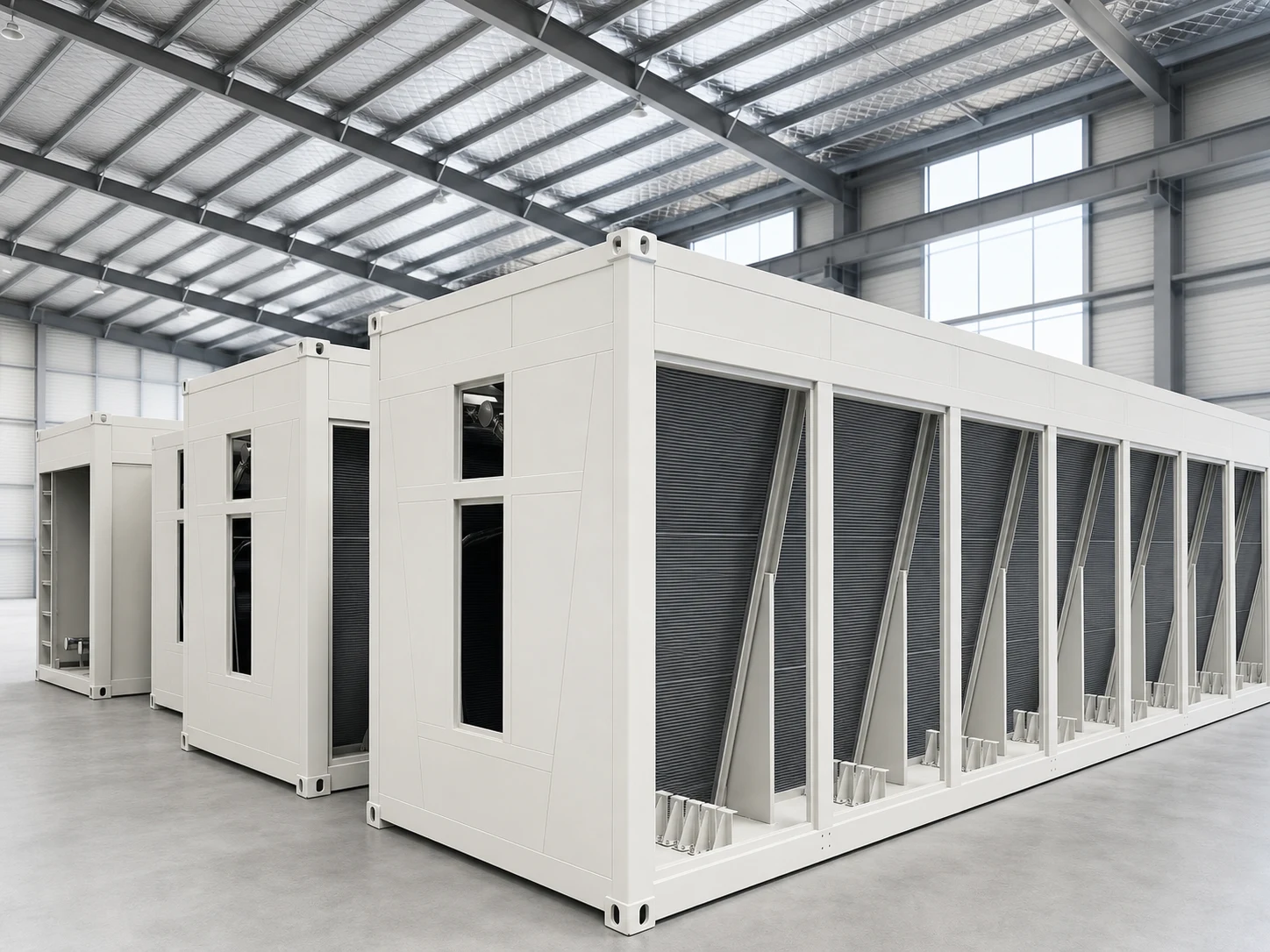
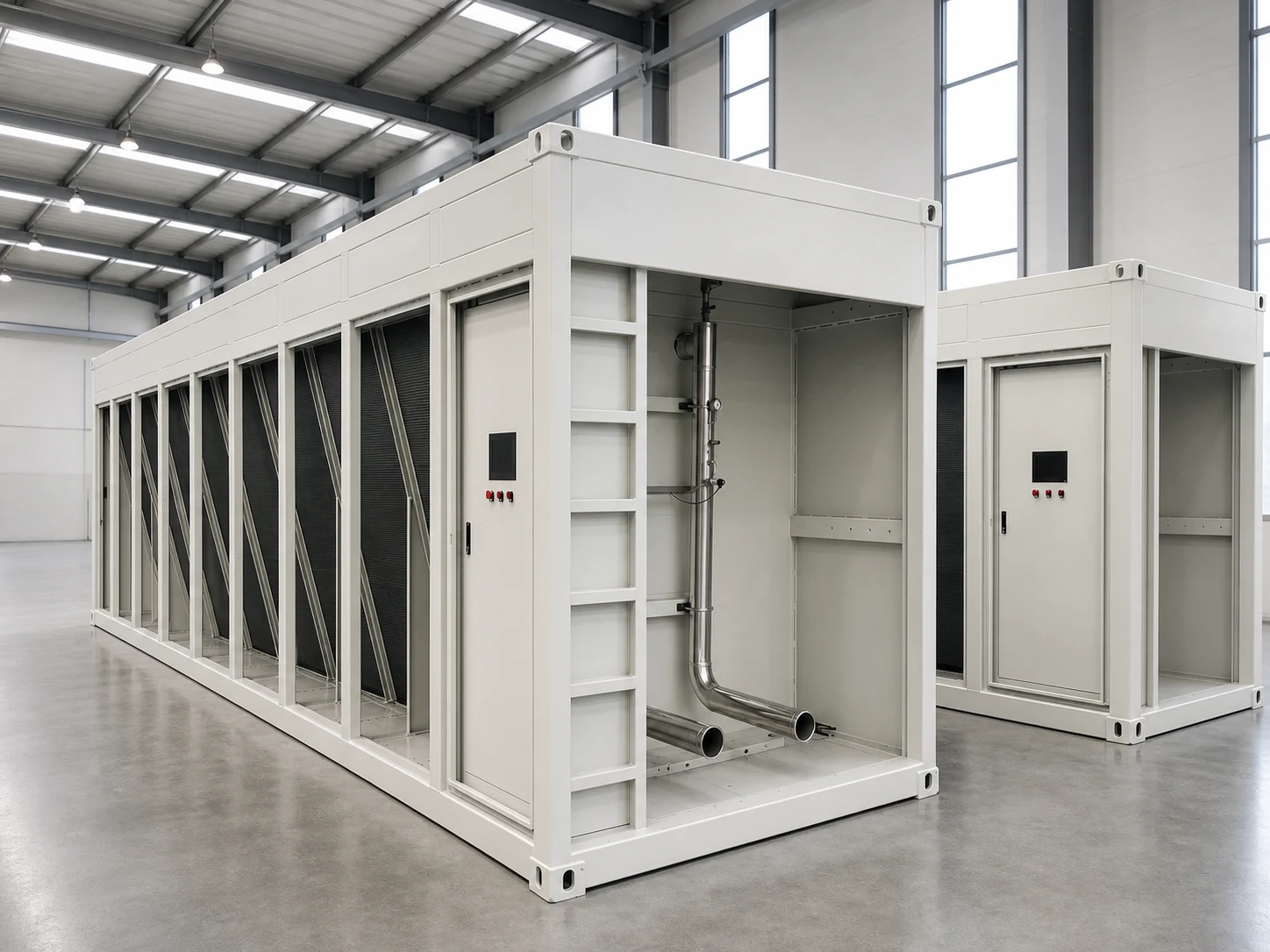
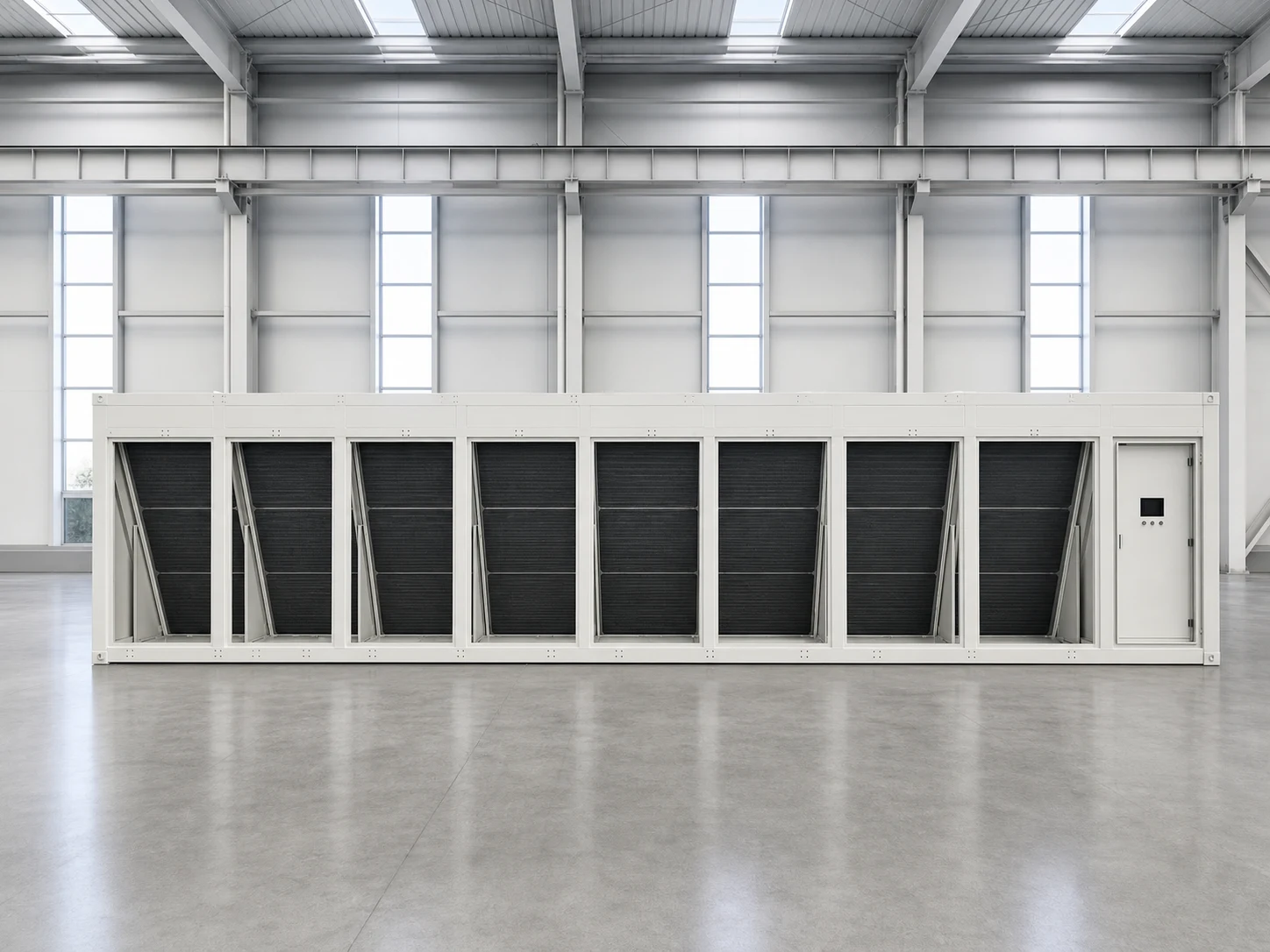
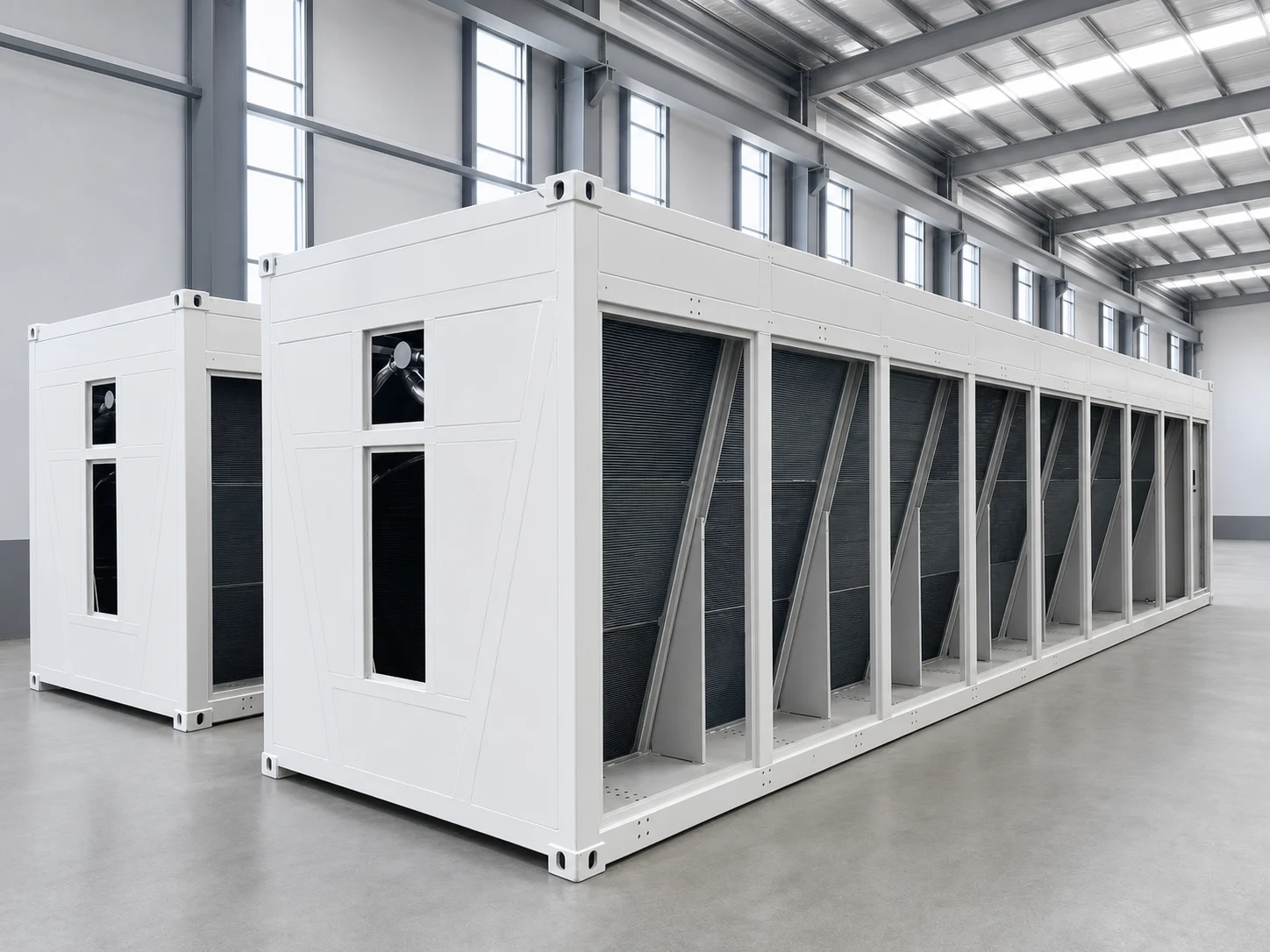
Production gallery
Typical applications
Outdoor heat rejection for server, AI, and facility liquid-cooling loops.
Compact cooling modules for high-density computing equipment.
Lower-weight packages for skid-mounted and repeatable system designs.
Closed-loop process cooling where footprint and coolant volume matter.
Selection information
Share the thermal duty and site conditions so the equipment, controls, and installed-cost factors can be reviewed together.
Explore the range